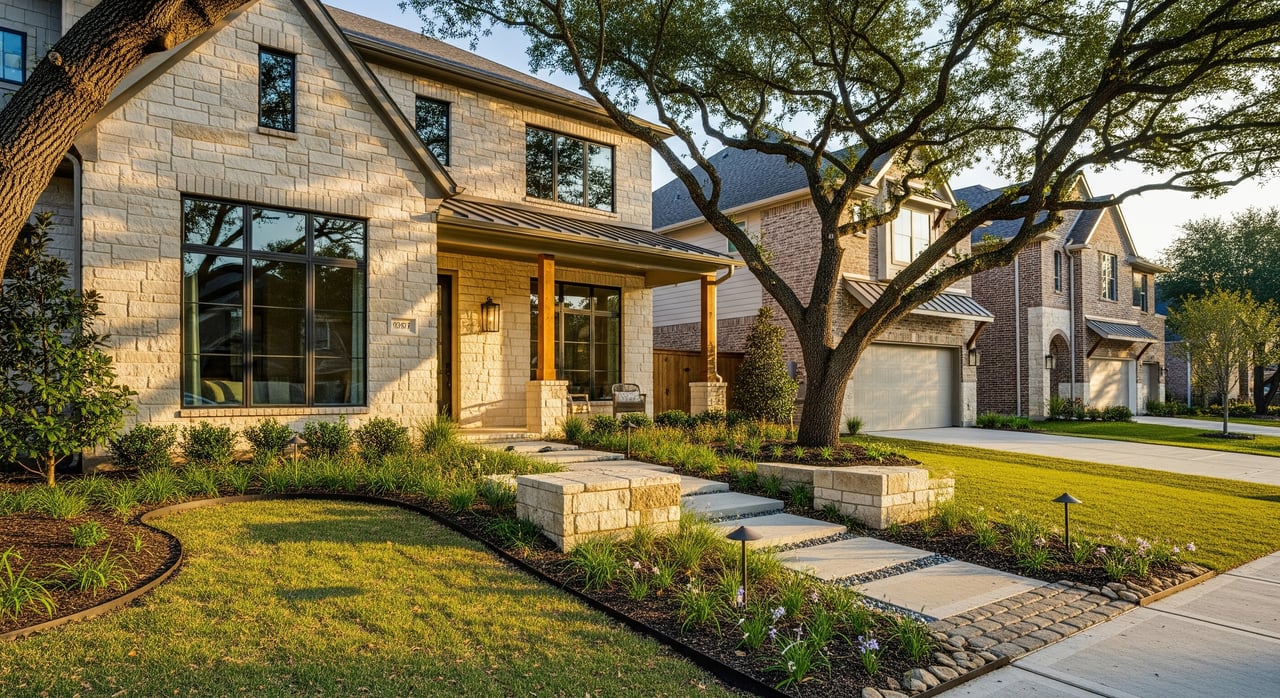
Trying to decide between a spec home you can move into soon and a custom build tailored to you? In Spring and northern Harris County, both paths can be smart. Your choice comes down to timeline, budget predictability, and how much control you want over design and finishes. In this guide, you’ll learn the practical tradeoffs, what to expect from local builders, how financing and warranties typically work, and where a boutique, white-glove agent can add real value. Let’s dive in.
Spec vs. custom: a quick overview
What is a spec home?
A spec, or speculative, home is built by a developer without a specific buyer in place. The home is complete or near completion when it hits the market. You can usually move in quickly, and the price and most finishes are set. You may have limited ability to change selections.
What is a custom home?
A custom home is designed and built for a specific owner. You control the floor plan, materials, and finishes, and you work through design, permitting, and construction. The process takes longer and costs can vary based on your choices and change orders.
Core tradeoffs you should weigh
- Timeline: spec is faster, custom is longer and more variable.
- Budget predictability: spec is more predictable, custom depends on selections and changes.
- Design control: spec is limited, custom is high.
- Risk and flexibility: spec has fewer surprises, custom offers flexibility with more decision points.
What to expect in Spring and Harris County
Spring sits in northern Harris County with a mix of master-planned communities, smaller subdivisions, and some larger wooded lots. You’ll find national production builders, local semi-custom options, and true custom builders working on a lot-by-lot basis. Inventory and builder lot supply vary by season, which affects whether move-in ready spec homes are available or if you’ll face a longer build window. For current market conditions, the Houston Association of Realtors is a helpful resource.
Many areas of Spring are in unincorporated Harris County and within municipal utility districts. Permit and inspection timelines depend on exact jurisdiction and can influence your start date and overall schedule. If you’re planning a custom build, pay close attention to permitting windows and utility connections, since they add to pre-construction time. For local permitting context, visit Harris County’s public resources.
Homeowners’ associations and architectural review committees are common in Spring communities. They can limit exterior customization, which is important to confirm early if you are considering a custom design.
Selections, allowances, and warranties
How selections work with production builders
Production and spec builders usually use a design center with standard packages and defined upgrade options. Depending on the build stage, you’ll have selection deadlines, often within 7 to 60 days of contract. After those deadlines, change orders can still be possible, but they may add cost and impact completion dates. Common selection categories include exterior elevation, flooring, cabinetry, countertops, plumbing and lighting fixtures, appliances, and landscaping.
Allowances and upgrade pricing
Builders often set allowances for certain items. If you choose a finish above the allowance, you pay the difference. Spec homes typically come with finishes already chosen by the builder, and the listed price reflects those selections. Some inventory homes allow last-minute changes if the timeline permits.
Warranties and punch lists
Many builders provide multi-tiered warranties, commonly described as a 1-year workmanship, 2-year systems, and 10-year structural framework. Exact coverage varies by builder, and the warranty start date usually begins at closing or certificate of occupancy. Expect a final walk-through and punch list. Get everything documented in writing and follow the builder’s process for submitting items. For general construction and warranty context, see the National Association of Home Builders.
Timeline, budget, and financing
How fast can you move into a spec home?
If inventory exists, you may be able to close in weeks to a few months. The builder controls permitting and schedules, so your main variables are financing, appraisal, and final punch items.
Custom build timelines in Spring
Custom builds require design time, permitting, site prep, construction, and inspections. Add buffer for permit approvals and material lead times. Planning a conservative schedule is essential, especially if you are coordinating a lease end, a relocation, or a simultaneous sale.
Budget predictability
- Spec: You typically have a fixed price at contract. Still confirm which fixtures and appliances are included.
- Custom: Expect a base price plus upgrades, lot premiums, and potential change orders. Build a contingency fund to handle allowances, lead-time substitutions, or unexpected site costs.
Financing differences you should understand
- Spec homes: You can often use conventional, FHA, or VA mortgages if the home meets program and appraisal standards. For federal program information, review HUD’s resources.
- Custom homes: Most buyers use construction or construction-to-permanent loans with draw schedules and inspections. Terms differ from standard mortgages, and interest rate exposure is a factor during a long build window. For an overview of construction financing, visit the Consumer Financial Protection Bureau.
Inspections, contracts, and risk management
Inspections to plan for, even on new homes
Independent inspections are still wise for both spec and custom homes. Common checkpoints include pre-drywall and final inspections. For custom builds, consider staged inspections at key milestones. Budget for third-party inspectors and confirm who schedules access. An 11-month inspection is also helpful before the 1-year workmanship warranty window closes.
Contracts, change orders, and dispute resolution in Texas
Review selection deadlines, change-order processes, completion dates, and any late-delivery remedies before you sign. Many contracts include mediation or arbitration provisions and specific warranty claim steps. For state-level guidance and standard forms for new-construction transactions, check the Texas Real Estate Commission. If you want legal advice, consult an attorney.
Title, survey, and community rules
Verify title, survey, easements, deed restrictions, and HOA covenants before you finalize a lot or a contract. In Harris County, it is also important to understand floodplain and drainage considerations. You can request elevation and flood information and confirm any municipal utility district requirements that may affect costs and utilities.
How a white-glove agent helps in Spring
A boutique, high-touch agent can streamline your decision and protect your budget and timeline. Here is where a seasoned local specialist often adds measurable value:
- Product and builder knowledge. You get a clear explanation of differences between production, semi-custom, and custom builders, plus guidance on which options match your priorities.
- Lot and community selection. Your agent helps evaluate plats, lot orientation, potential drainage or flood risks, nearby easements, and HOA rules that affect design or exterior choices.
- Contract review and negotiation. You receive an informed review of selection deadlines, allowances, upgrade pricing, completion dates, and change-order clauses, along with negotiation for concessions or credits when market conditions allow.
- Coordination and scheduling. Your agent can align lender timelines, title, inspections, and walk-throughs to reduce delays and surprises. For busy families or out-of-state buyers, that coordination reduces stress.
- Warranty and post-closing support. You get guidance on how to submit claims, track deadlines, and document issues so warranty items are handled properly.
- Resale and design counsel. You receive insight on upgrade choices and neighborhood comparables to avoid overbuilding for the area.
For local market context and inventory trends, you can also reference the Houston Association of Realtors, then pair that data with on-the-ground guidance from a trusted agent.
Decision checklist for Spring buyers
Use this checklist to clarify your path:
- Timeline: Define your must-move-by date. If it is soon, prioritize spec or near-complete inventory.
- Budget: Set a max total cost. Include allowances, upgrades, lot premiums, and a contingency fund.
- Financing: Ask lenders about construction and construction-to-permanent options, draw inspections, and rate locks. Confirm whether single-close options are available.
- Lot and site: Check flood zone, drainage, and any MUD or utility fees. Confirm HOA guidelines that may affect design.
- Selections: Get the builder’s selections checklist and deadlines in writing. Ask for actual sample pricing on common upgrades.
- Warranties: Obtain the full warranty document. Note the start date, covered items, claim procedures, and dispute process.
- Inspections: Plan independent inspections at pre-drywall and final stages, plus an 11-month checkup.
- Contracts: Review completion dates, remedies for delays, arbitration clauses, and payment schedules.
- Representation: Decide if you want independent buyer representation and confirm how your agent is compensated.
Ready to choose your path?
If you need the certainty of a quick move with a predictable price, a spec home can be a great fit. If you want a tailored design and you have time to manage selections and decisions, a custom home can deliver exactly what you envision. In Spring and northern Harris County, both routes are available, and a local, design-forward team can help you compare builders, align the process with your move date, and protect your budget at every step.
If you would like a calm, concierge approach to selection, scheduling, and move-in logistics, connect with Devyn Winkler for a white-glove consultation.
FAQs
How much faster is a spec home in Spring, TX?
- A spec home can often close in weeks to a few months if inventory exists, while custom builds typically take many months due to design, permitting, and construction.
Can I use a standard mortgage for a spec home in Spring?
- Often yes, if the home meets program and appraisal standards for conventional, FHA, or VA financing; confirm requirements through resources like HUD.
How do builder warranties usually work in Harris County?
- Many builders offer multi-tiered coverage, commonly 1-year workmanship, 2-year systems, and 10-year structural, with exact terms defined by the builder or a third-party provider.
What inspections should I order for new construction in Spring?
- At minimum, arrange independent pre-drywall and final inspections, and plan an 11-month inspection to address items before the workmanship warranty window closes.
What contract terms should I review for a custom build in Texas?
- Focus on selection deadlines, change-order procedures, completion dates, late-delivery remedies, and dispute resolution; the Texas Real Estate Commission offers helpful guidance on standard forms.