Is your backyard helping or hurting your home’s value? In Tomball, where summers are long and humid, the right outdoor upgrades can make your home feel larger, more livable, and more marketable. If you are buying, these features boost comfort and reduce maintenance. If you are selling, they can help you stand out and justify a stronger price.
Below, you will find the outdoor improvements that work best in Tomball’s climate, what to prioritize, and how to plan for permits, drainage, and long-term upkeep. Let’s dive in.
Tomball climate and buyer demand
Tomball sits in a humid, subtropical zone with warm winters and long, hot summers. The area generally aligns with USDA Zone 9a, which supports year-round planting but also means UV, heat, and humidity can stress materials and plants. Heavy rainfall and occasional tropical systems make drainage and wind resistance essential.
Local buyers often look for usable, low-maintenance outdoor spaces with shade, airflow, and lighting. In the Houston area, covered patios, screened porches, functional backyards, and simple landscape lighting consistently appeal to families and busy professionals. Curb appeal and easy upkeep help sellers attract more interest and reduce time on market.
High-value upgrades to consider
Curb appeal first
Small, visible wins come first. Fresh mulch, trimmed shrubs, seasonal color, a clean walkway, and subtle landscape lighting can lift perceived value at a modest cost. In Tomball, choose heat- and humidity-tolerant plants and use mulch to regulate soil moisture. Grade beds to route water away from the house to protect the foundation and reduce pooling.
- Keep trees a safe distance from the home and utilities.
- Choose simple, low-maintenance lighting to frame paths and entries.
- Check any HOA landscape standards before you plant.
Smart irrigation and low-water plants
A smart controller, drip irrigation for beds, and separate zones for lawn and plantings reduce water use and maintenance. Replacing fussy plants with native or adapted species lowers disease risk in our humidity.
- Amend Houston-area clay soils for better drainage.
- Plan for possible drought restrictions and periodic heavy rain.
- Irrigation tie-ins may require a licensed contractor and permits.
Covered patios and screened porches
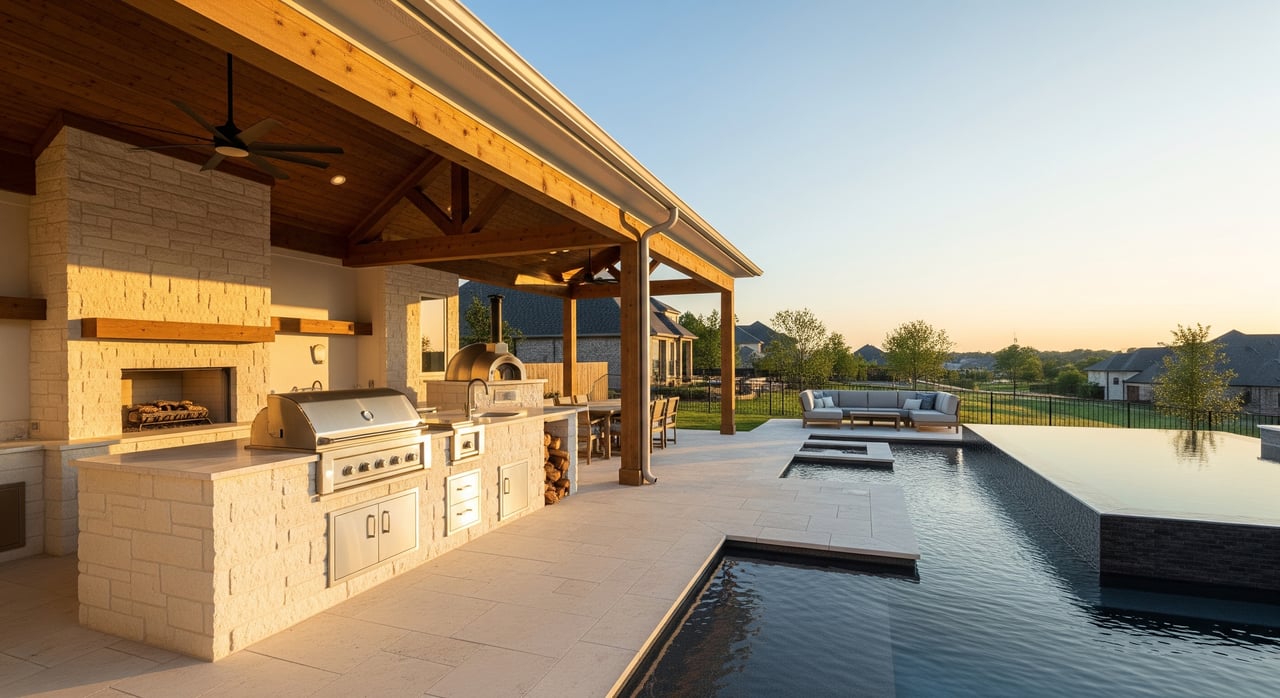
Shade and airflow extend your usable months outdoors. Covered patios with ceiling fans, lighting, and screens help control mosquitoes and protect furniture from storms. In Tomball, screened porches are especially practical.
- Expect building permits for attached structures and electrical work.
- Use hurricane-conscious construction and secure roof attachments.
- Ensure gutters and downspouts route water away from the slab.
Patios and permeable pavers
Pavers, stamped concrete, and permeable systems create durable outdoor rooms with less upkeep than many decks. Permeable options help manage runoff during heavy rain.
- Prepare a solid base to prevent settling in clay soils.
- Pitch surfaces slightly to direct water to drains or landscaped areas.
- Reseal concrete or sand joints as part of routine maintenance.
Decks and composite materials
If your yard has elevation changes or views, a deck can add useful space. Composite decking resists rot and termites better than standard wood in humid climates.
- Shade composite surfaces to reduce heat under direct sun.
- Plan for guardrails, stairs, and code-compliant footings.
- Obtain permits and inspections for structural safety.
Fencing and privacy
A well-placed fence adds privacy and confidence for many buyers. Materials that resist rot, rust, and termites will last longer in southeast Texas.
- Verify property lines and easements before installing.
- Many HOAs regulate height and style; city permits may apply.
- Keep clear of utility easements to avoid removal later.
Outdoor kitchens and built-in grills
Outdoor cooking areas deliver lifestyle appeal and help premium listings stand out. For resale-focused projects, keep designs modest and weatherproof.
- Prioritize a covered location and durable, low-maintenance finishes.
- Confirm gas and electrical requirements in advance.
- Expect varied ROI by neighborhood and price tier.
Pools and hot tubs
In-ground pools offer strong lifestyle value in warm climates, but they are capital-intensive and require ongoing care. Resale impact varies by neighborhood and buyer expectations in Tomball.
- Plan for permits, safety fencing, and higher insurance costs.
- Budget for filtration, chemicals, and algae prevention in humid weather.
- Compare with nearby homes to avoid over-improving.
Lighting and exterior power
Landscape and task lighting extend evening use and add safety. Extra exterior outlets and fans make covered spaces more versatile.
- Hardwired fixtures typically require a licensed electrician and inspections.
- Highlight steps, entries, and outdoor cooking zones.
- Use weather-rated fixtures and GFCI-protected outlets.
Storm-ready details
Hurricane straps, reinforced pergolas, and secure attachments help structures withstand wind. Impact-rated doors and windows for adjacent openings add peace of mind.
- Consider flood risk by reviewing the FEMA Flood Map Service Center.
- Use corrosion-resistant fasteners and connectors.
- Ensure grading and drainage move water away from the home.
Plan for codes, drainage and risk
Before building, confirm local rules, flood risk, and utilities. The City of Tomball Development Services can advise on permits and inspections for covered patios, decks, pools, electrical, and plumbing work. Many HOAs have design standards for fencing, colors, and tree removal.
Use Harris County Flood Control District resources and the FEMA Flood Map Service Center to check flood zones. If your property is in a Special Flood Hazard Area, you may need elevation changes, permits, and flood insurance. For significant hardscape additions, plan stormwater management so runoff does not impact neighboring lots.
Know your setbacks and easements before you dig. Contact Texas 811 to locate underground utilities. Installing on an easement can lead to forced removal later.
Termites and fungal rot are common in southeast Texas. Choose termite-resistant materials and ensure airflow and drainage around wood elements. Major additions like pools and covered structures may affect homeowners insurance, so ask your carrier for guidance and keep permit records and receipts.
Plants and materials that last
Tomball’s Zone 9a climate supports a wide range of adapted plants. Review the USDA Plant Hardiness Zone Map to confirm your site’s microclimate, and consult Texas A&M AgriLife Extension planting guidance for species that handle heat, humidity, and occasional flooding.
- Shade and structure: live oak, southern magnolia, cedar elm, and bald cypress in wetter spots.
- Color and screening: crape myrtle for seasonal bloom, yaupon holly and wax myrtle for hedging.
- Low-water accents: native grasses and drought-tolerant perennials in well-drained beds.
For hardscapes, composite decking and pressure-treated or rot-resistant woods perform better in humid environments. Concrete and pavers are reliable with proper base prep and drainage. Consider powder-coated aluminum or vinyl fencing for lower maintenance and use corrosion-resistant fasteners on any structure.
Quick seller checklist
Use this punch list to boost marketability in a few weekends:
- Refresh mulch, edge beds, and pressure wash hardscapes.
- Trim trees and shrubs away from the roofline and siding.
- Replace broken sprinkler heads and set a smart controller.
- Add simple path lighting and replace burnt-out bulbs.
- Repair fence sections and restain if needed.
- Stage the patio with clean seating, shade, and a rug.
- Service ceiling fans and add a misting kit only if it is appropriate for the space.
- Check grading and extend downspouts to reduce pooling.
- Seal cracks in concrete and reset any uneven pavers.
- Gather permits, receipts, and warranties to show buyers.
Budget and ROI expectations
If you plan to sell soon, start with visible, lower-cost projects that deliver outsized impact, like curb appeal, lighting, and functional clean-up. Larger investments, such as covered patios or decks, often improve marketability and perceived value, but dollar-for-dollar payback varies by neighborhood and price point. Pools and elaborate outdoor kitchens provide lifestyle appeal but require careful budgeting and maintenance planning.
To avoid over-improving, align your project scope with nearby comparables and the typical features in your community. Document everything with permits and paid invoices so buyers and appraisers can verify improvements.
How The Lux Team helps
You should not have to guess which outdoor upgrades will resonate with Tomball buyers. Our team pairs neighborhood knowledge with design-forward advice to help you invest smartly. For sellers, we guide scope and finish choices, bring in trusted local contractors, and stage outdoor spaces to photograph beautifully. For buyers, we evaluate outdoor features for durability, maintenance, and insurance impacts so you can move in with confidence.
If you are planning a sale or purchase in Tomball, let us tailor a plan to your timeline and budget, and coordinate the details with our white-glove support.
Ready to talk strategy for your home? Connect with Devyn Winkler for a personalized, local plan.
FAQs
Are covered patios worth it in Tomball?
- Yes, shade and airflow extend outdoor use in our hot, humid climate, and covered spaces with fans and lighting are consistently appealing to Houston-area buyers.
Do I need a permit for a deck or pergola in Tomball?
- Structural additions and any electrical or plumbing work typically require permits and inspections, so check with the City of Tomball Development Services and your HOA before you begin.
How do pools affect resale value in Tomball?
- Pools offer strong lifestyle appeal but involve high upfront and ongoing costs, insurance considerations, and maintenance in humid weather, so compare to neighborhood norms before installing.
What plants are low maintenance for Tomball yards?
- Choose native or adapted species that handle heat and humidity, referencing USDA Zone 9a and Texas A&M AgriLife Extension guidance for site-appropriate trees, shrubs, and perennials.
How can I check flood risk before building outside?
- Review your address on the FEMA Flood Map Service Center and consult Harris County Flood Control District resources to plan grading, drainage, and any required permits.