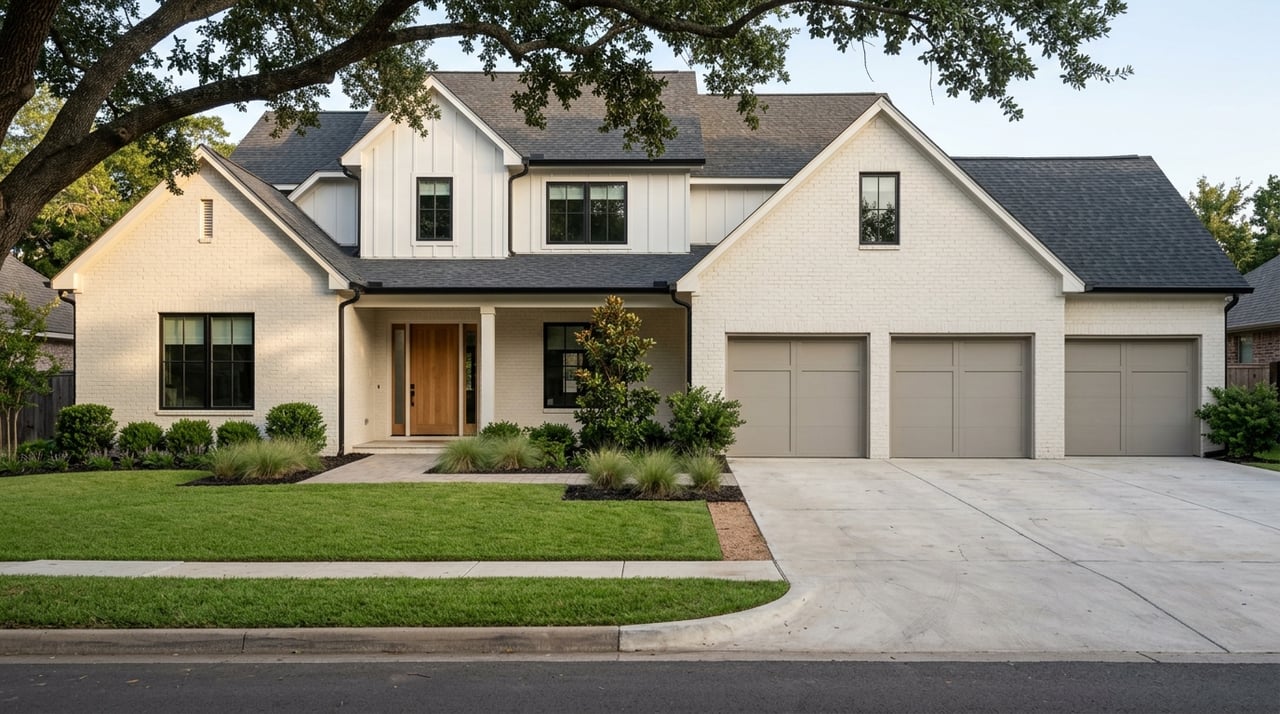
Are you craving more room to breathe without feeling cut off from the Houston area? If city living has started to feel tight, Magnolia may be the kind of next step you have been looking for. When you understand what changes with a larger home site, different utility setups, and a more drive-based routine, you can make a smart move with fewer surprises. Let’s dive in.
Why Magnolia draws city buyers
Magnolia is small in city size, with 2,359 residents counted in the 2020 Census, but it sits in a much larger northwest Houston growth corridor. It is located at FM 1774 and FM 1488, about 45 miles northwest of Houston and about 25 miles southwest of Conroe. I-45 and US 290 are each roughly 20 miles away, and SH 249 adds another regional route into the area.
For many buyers, Magnolia works because it offers a different daily pace while still keeping access to Houston, The Woodlands, Tomball, and Conroe. The appeal is not only a bigger house. It is also the chance for a larger yard, more distance between homes, and a setting that often feels less dense than city neighborhoods.
More space means more responsibility
The biggest shift is often not inside the house. It is outside. A larger lot can mean more mowing, edging, tree cleanup, brush removal, fence care, driveway upkeep, and drainage monitoring than you may be used to on a smaller city lot.
That added upkeep can also affect your utility use. Magnolia notes that about 35% of average residential water use is exterior use, such as lawn watering and car washing. On a larger property, landscaping and irrigation become a more important part of your monthly routine and budget.
Utilities can look very different
One Magnolia address can function very differently from another. Before you fall in love with a home, it helps to confirm exactly how that property is served. The answer can affect your maintenance responsibilities, monthly bills, and even parts of your tax picture.
Inside Magnolia city limits, the city provides water, wastewater, and trash service. The city utility application requires an application, identification, a deed or lease, and a signed utility service agreement. The posted deposits are $200 for homeowners and $350 for renters, plus a $35 application fee.
Outside city limits, service can vary by property. A home may be served by city utilities, a municipal utility district, or private systems. That is why address-level verification matters so much when you are moving from a more standardized city environment.
City water versus private well
If a home is on city water, the system is managed through Magnolia’s municipal utility setup. The city states that its water system is groundwater-based and supplied by wells 4, 5, and 6, with water stored in tanks.
If a home has a private well, the responsibility shifts more directly to you. The Texas Commission on Environmental Quality says private well owners are responsible for testing their water regularly. That is a meaningful change for buyers who are used to centralized water testing through a public utility.
City sewer versus septic
Sewer service is another major difference between city living and larger-lot living. If a property uses a septic system, that system should be part of your due diligence before closing.
TCEQ says on-site sewage facilities must be designed from a site evaluation and recommends pumping septic tanks every three to five years. For you as a buyer, that makes septic records, maintenance history, and drainfield condition important items to review.
Trash, roads, and daily logistics matter
Small details can have a big effect on how your week feels after you move. In Magnolia, trash pickup, bulk item rules, and yard waste procedures may matter more when you have a larger outdoor area producing branches, clippings, or storm debris.
Inside city limits, Magnolia contracts with GFL Environmental for sanitation service. Pickup days vary by location, and the city posts separate rules for bulk items, yard waste, and cart placement. That is worth checking early if you are comparing homes with very different lot sizes.
Road responsibility can also change from one address to another. Magnolia’s local guidance separates TxDOT roads, city roads, and county roads, and identifies numbered corridors like FM 1488, FM 1774, SH 249, FM 1486, and FM 2978 as TxDOT roads. If road work, access, or drainage concerns come up, the right contact may depend entirely on the road jurisdiction.
Commute expectations should stay realistic
If you are leaving city living, your new routine in Magnolia will likely be more car-dependent. That does not make the move better or worse. It just means your daily patterns may shift.
Magnolia is about 45 miles northwest of Houston, and regional access depends heavily on roads like FM 1488, FM 1774, I-45, US 290, and SH 249. TxDOT says SH 249 serves Montgomery and Grimes counties, and the section from FM 1774 in Pinehurst to FM 1488 near Magnolia is open to traffic.
The safest way to think about commuting is this: travel time depends on where you are going and the traffic conditions that day. If you regularly travel to Houston, The Woodlands, Tomball, or Conroe, it is smart to map those routes by the exact address you are considering.
School zoning needs address-level checks
If school planning is part of your move, avoid assumptions based on a neighborhood name or mailing address alone. Magnolia ISD says attendance boundaries can shift as the district grows. The district directs families to confirm zoned schools by address using its school site locator and MCAD.
Magnolia ISD also notes that it offers advanced academics, full-day kindergarten, and career and technical education pathways. Still, the most practical takeaway for your home search is simple: verify the specific address before you make a decision.
Questions to ask before you buy
When you move from a city lot to more space in Magnolia, a few questions can save you time and stress. These are the ones worth asking early in the process.
- Is the property inside Magnolia city limits or outside them?
- Does the home use city sewer, septic, or another utility setup?
- Is there a private well, and if so, what testing and maintenance records are available?
- Which school district and attendance zone apply to this address?
- Who handles the roads near the property: the city, county, or TxDOT?
- How much outdoor maintenance will the lot actually require?
Each of these questions helps you understand the real day-to-day fit of the property. They also help you compare homes more clearly when one listing offers convenience and another offers more land.
The real tradeoff of moving to Magnolia
Moving from city living to Magnolia is usually a tradeoff, not a simple upgrade. You may gain more square footage, more yard space, and a quieter setting. At the same time, you may take on more self-management, more exterior upkeep, and longer drive-based routines.
That is why the best move is an informed one. When you look past listing photos and focus on utility type, well or septic status, school zoning, road jurisdiction, and maintenance needs, you are much more likely to choose a home that fits your lifestyle.
A thoughtful Magnolia move should feel exciting, not overwhelming. If you want a more spacious home without losing connection to the northwest Houston area, the key is knowing what to verify before you commit.
If you are thinking about making that move, Devyn Winkler can help you compare Magnolia homes with a clear plan and concierge-level guidance that keeps the process smooth from search to closing.
FAQs
What makes Magnolia, TX appealing for buyers leaving city living?
- Magnolia appeals to many buyers because it offers more space, larger lots, and a less dense setting while still keeping regional access to Houston, The Woodlands, Tomball, and Conroe.
What utilities should you verify before buying a home in Magnolia, TX?
- You should confirm whether the property is inside city limits, whether it has city water and wastewater service, a municipal utility district setup, a private well, or a septic system.
What should buyers know about septic systems in Magnolia-area homes?
- If a home uses a septic system, buyers should review septic records, maintenance history, and drainfield condition, and know that TCEQ recommends pumping septic tanks every three to five years.
What should buyers know about private wells in Magnolia, TX?
- If a property has a private well, you are generally responsible for regular water testing and ongoing well maintenance rather than relying on city-style public water monitoring.
How should you check school zoning for a Magnolia home?
- Magnolia ISD recommends confirming school zoning by the exact property address because attendance boundaries can change as the district grows.
How do commutes from Magnolia, TX usually work?
- Commutes are generally drive-based, and travel time depends on your destination, route, and traffic conditions, especially for trips toward Houston, The Woodlands, Tomball, or Conroe.