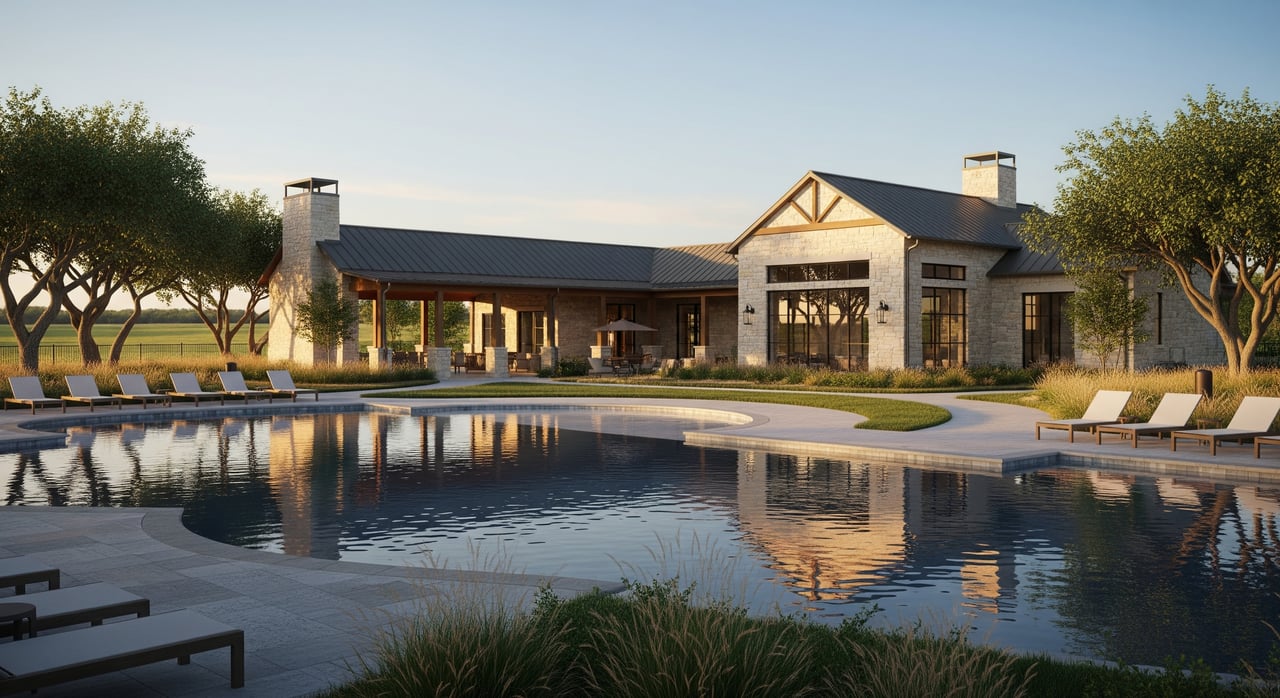
Picture your weekend without leaving the neighborhood: morning trail run, splash time at the pool, coffee by the lake, then an evening stroll to a community event. If that sounds like your kind of pace, master-planned living in Fulshear may be a great fit. You want convenience, connection, and value, but you also want to understand the trade-offs. In this guide, you will learn which amenities matter most in Fulshear, what to watch for in HOA rules and fees, and the practical questions to ask before you buy. Let’s dive in.
Why Fulshear MPCs stand out
Fulshear sits along Houston’s westward growth corridor, where large tracts have allowed multi-phase master-planned communities with parks, trails, lakes, and on-site gathering spaces. Many buyers come for new construction and stay for the lifestyle programming that brings neighbors together. At the same time, you should factor in daily realities like commute routes via FM roads and the Grand Parkway, flood mitigation and drainage, school zoning, and HOA governance. A clear view of both the perks and the fine print helps you buy with confidence.
Amenities Fulshear buyers love
Parks and trail networks
Continuous greenbelts and looped trails make it easy to walk, run, or bike to community hubs. In Fulshear, buyers often prioritize wide paths that connect homes to parks, pools, and nearby schools. Shade, lighting, and safe street crossings can elevate these networks from “nice-to-have” to daily essentials.
Recreation centers and pools
Staffed recreation centers often include fitness rooms, multipurpose spaces, and pools designed for different uses. Look for family pools with splash areas, lap lanes for workouts, and seasonal programming like swim teams and classes. These hubs tend to anchor social life and make it simple to meet neighbors.
Lakes and waterfront spaces
Engineered amenity lakes bring scenic views and open space into everyday life. Some communities add walking loops, fishing spots, or paddle access. Ask how water quality and shoreline maintenance are handled so you understand costs, rules, and upkeep over time.
Sports courts and youth spaces
Soccer fields, baseball diamonds, basketball courts, tennis, and playgrounds are common draws for families. Clarify who manages fields and programming. Leagues may be coordinated by the HOA, a local parks department, or third-party operators, and each model affects access and fees.
Equestrian-friendly options
A subset of Fulshear buyers wants room for horses or access to riding amenities. Some areas retain a rural feel with trails or larger lots. Always confirm deed restrictions and covenants to understand what is allowed on your property.
Retail and town centers
On-site grocery, coffee, restaurants, and medical offices add everyday convenience and reduce car time. Mixed-use nodes are increasingly built into newer phases to meet local demand. If a retail center is planned but not yet built, ask for construction timelines and anchor tenant details.
Schools and on-site education
Families value walkable routes to nearby schools and early-childhood options. School zoning can shift as new phases open, so verify current and projected attendance zones before you write an offer. Pedestrian connections and crossing points are important practical details.
Safety and municipal services
Good lighting, sidewalks, and sensible street layouts support day-to-day comfort. Check which entities provide fire, EMS, and police services, along with any special service districts. Understanding who maintains roads and common areas helps you plan for service levels and taxes.
Connectivity and commute
Access to the Grand Parkway and local FM roads is a key selling point for many Fulshear communities. Drive your likely route during peak school and work hours to gauge travel time. Also note internal bike lanes, sidewalks, and planned connections that improve mobility.
Design and streetscape
Design guidelines and architectural review keep streetscapes consistent and public spaces well maintained. This can support long-term values but may limit exterior changes, fencing types, and add-on structures. Request the design rules early so you know where you have flexibility.
Environmental design and flood mitigation
Visible drainage features, detention ponds, and elevated homesites are common across the region. These improvements can reduce risk but do not eliminate it. Review flood zones, subdivision-level mitigation measures, and any elevation certificates available for specific homesites.
Benefits and trade-offs
Everyday benefits
- Turnkey lifestyle with recreation and events inside the neighborhood.
- Built-in community through clubs, classes, and youth activities.
- Newer home designs and modern building codes.
- Phased planning that preserves open space and creates predictable growth.
Trade-offs to weigh
- HOA dues and potential special assessments for amenity upkeep. Request budgets and reserves.
- Covenants and design rules that may limit exterior changes.
- Commute time trade-offs for larger lots and suburban amenities.
- Phasing timelines for future parks or retail that may not be complete yet.
- Flood insurance needs even with engineered systems.
- Resale tied to sustained amenity quality and stable school zoning.
How to evaluate a community
A little due diligence goes a long way. Gather documents and ask targeted questions so you understand current amenities, future phases, and your total cost to own.
Documents to request
- Current HOA covenants, conditions and restrictions, bylaws, and rules.
- Latest HOA budget and reserve study.
- Evidence of HOA insurance and management contract details.
- Master plan and phasing map showing existing vs. planned amenities.
- HOA meeting minutes from the past 12 months.
- Floodplain and elevation certificates for the lot or model home.
- Utility provider details for water, sewer, trash, electricity, and broadband.
- School attendance zones and any planned changes.
Questions to ask
- Which amenities are complete now, and which are planned? What are the timeline milestones?
- How are amenities funded and maintained? What are current HOA dues and recent increases? Any special assessments pending?
- Are there easements or deed restrictions that affect yard use, fencing, or exterior modifications?
- What are the rules for short-term rentals, home businesses, or accessory buildings?
- Is the homesite in a FEMA-designated floodplain? What mitigation was built at the subdivision level?
- Who enforces architectural review, and what is the approval process and timeline?
- Are any amenities managed by third-party vendors, and when do those contracts expire?
- If retail is planned, who are the anchors and expected opening windows? Are there public financing tools in place?
Find your best-fit amenity mix
Match the community to your routines. If weekends revolve around youth sports and pool time, prioritize fields, multipurpose courts, and a staffed recreation center. If you want quiet mornings on the trail, look for connected greenbelts with shade, lighting, and safe crossings. For an equestrian lifestyle, confirm lot sizes, trail access, and any restrictions up front. If you work hybrid or remote, weigh on-site conveniences and meeting spaces along with your commute needs.
Ready to tour Fulshear MPCs?
You deserve a clear plan and a calm process. Our boutique team guides you through amenity mixes, HOA fine print, flood considerations, and school zoning so you can buy with confidence. We also offer white-glove move-in coordination, including project management and optional grocery stocking, to make day one feel like home. For a focused, low-stress search, connect with Devyn Winkler to Request a White-Glove Consultation.
FAQs
What is a master-planned community in Fulshear?
- It is a large-scale neighborhood designed with integrated amenities like parks, trails, lakes, recreation centers, and retail, guided by HOA governance and a long-term plan.
How do HOA fees work in Fulshear MPCs?
- Dues vary by amenity package and can change over time, so request the current budget, reserves, and any planned assessments to understand total costs.
How can I assess flood risk for a Fulshear home?
- Review flood zone status, subdivision drainage features, and any available elevation certificates, and factor potential flood insurance into your ownership costs.
What should I know about school zoning in Fulshear MPCs?
- Attendance zones can shift as new phases open, so verify current and projected assignments with the local district before making an offer.
Are future amenities guaranteed in new phases?
- Developers publish master plans, but timelines can vary; ask for milestone commitments and confirm details in HOA documents and your purchase agreement.