Thinking about a move to Cypress and wondering what daily life and home options really look like? You want space, amenities, and a manageable commute without giving up convenience. This guide gives you a clear picture of Cypress living, from neighborhoods and schools to price ranges, taxes, and travel times. You’ll also find practical steps to start your search with confidence. Let’s dive in.
Cypress at a glance
Cypress is an unincorporated community in northwest Harris County within Greater Houston. It covers several ZIP codes and census tracts, so it functions more like a broad suburban area than a single incorporated city. Public services come from Harris County, emergency districts, and municipal utility districts, and those MUDs can impact your property tax rate and monthly costs. When you shop for homes, confirm the specific tax rate and assessments for each community.
Daily life and amenities
Cypress offers a suburban, amenity‑focused lifestyle that suits many move‑up families. Newer master‑planned communities feature trails, pools, parks, and community centers, while older pockets closer to long‑standing commercial corridors offer smaller homes and mature trees. You’ll find big‑box retail, grocery centers, and regional shopping nearby, with specialty dining and services a short drive away in greater northwest Houston. Hospital systems, urgent care centers, and gyms are accessible by car, and many communities host family events and farmers markets throughout the year.
Commute and getting around
Cypress is car‑dependent, and most people drive to work. Major routes include US‑290, FM‑1960, and the Grand Parkway segment of SH‑99. Typical drive times vary by where you start and where you go: about 30 to 60 minutes to Downtown Houston, similar or slightly shorter to the Energy Corridor, and around 30 to 50 minutes to the Galleria area. Park‑and‑ride and transit options are limited, so most residents rely on private vehicles and flexible work hours when possible.
Commute tips
- Choose a community with quick access to US‑290 or SH‑99 if you commute daily.
- Expect heavier traffic during peak hours and allow extra time for incidents or construction.
- Check current road projects and run live drive‑time tests during your typical commute window.
Where to live in Cypress
Master‑planned communities
Large master‑planned communities define much of Cypress. They usually include pools, trail systems, and community centers, plus multiple builders and phased development. Bridgeland is a prominent example with a focus on lakes, parks, and trails. Other master plans vary in size and amenities, often built by regional and national builders.
Established neighborhoods
If you prefer established areas, you can find older subdivisions with smaller lots and mature landscaping. These pockets can offer lower price points than brand‑new sections. They are often closer to long‑standing commercial corridors and may have different HOA structures and amenity levels.
Home styles and lot sizes
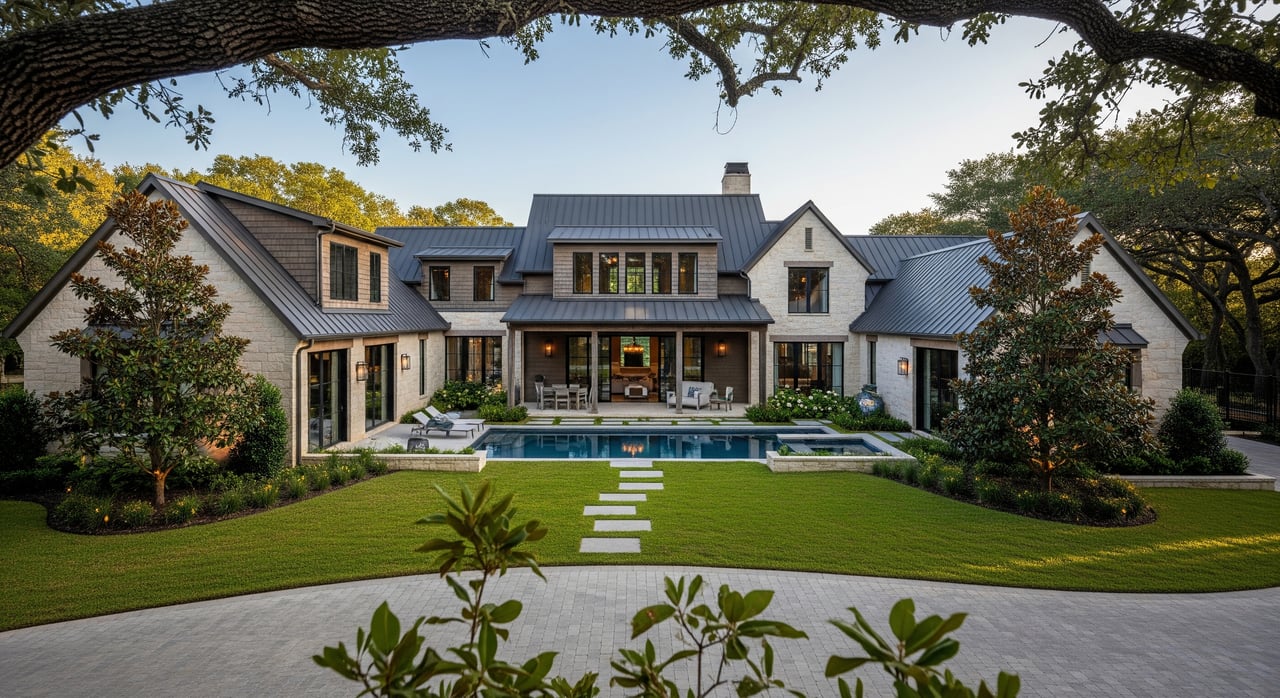
Single‑family homes are the norm, ranging from entry‑level two‑story plans to larger executive and estate properties. Styles include traditional suburban, modern variants, and occasional custom builds in select sections. Lot sizes typically run from about 0.12 to 0.25 acres in denser neighborhoods, with 0.25 to 1+ acre options in estate areas.
What homes cost
Market conditions shift with interest rates, builder incentives, and inventory, but the following ranges offer a directional guide. Many resale single‑family homes fall roughly in the low $300,000s to the $500,000s, depending on age, size, and location. New construction in amenity‑rich communities often starts in the $300,000s to $400,000s, with upgraded or larger plans commonly in the $500,000 to $800,000 range. Higher‑end sections and custom homes can reach from the $700,000s into the millions.
What drives price differences
- School attendance zone and district boundaries
- Community amenities like lake access, pools, and trail systems
- Builder reputation, warranties, and construction phase
- Lot size, orientation, and premium locations such as waterfront
- Age and condition, including new‑build premiums and resale negotiation
- Property taxes and MUD assessments, which affect monthly ownership costs
Schools and boundaries
Most of Cypress is served by Cypress‑Fairbanks ISD, one of the largest districts in Texas. Some areas fall within adjacent districts such as portions of Klein ISD. Attendance zones and campus assignments can change, so verify the exact schools tied to any property you are considering. School performance varies by campus; review current Texas Education Agency accountability resources and district tools for the most up‑to‑date information. Private and charter options exist in and near Cypress and may influence neighborhood demand and pricing.
Taxes, MUDs, and monthly costs
Many Cypress neighborhoods are served by MUDs that fund water, sewer, and infrastructure. MUD tax rates and assessments vary and can meaningfully influence your monthly payment. Before you make an offer, request current property tax estimates and MUD information for the specific home. This helps you compare communities on a true monthly cost basis.
Flood and due diligence
As with many parts of Harris County, some areas in and around Cypress carry flood risk. You should review FEMA flood maps for any property on your shortlist, request seller disclosures, and ask for elevation certificates if available. A property‑specific evaluation can give you a clearer picture of insurance needs and long‑term suitability.
How Cypress compares nearby
- Katy: Similar suburban scale west of Houston along I‑10. Katy ISD draws many buyers. Cypress leans into the northwest corridor, with different commute patterns and master‑plan options.
- Tomball: Smaller town center feel with some lower price points in certain areas. Cypress is larger and more new‑construction oriented.
- The Woodlands: More established town center and corporate presence, typically higher price points. The Woodlands sits farther north and offers a different employment and amenity mix.
- Inner northwest suburbs like Jersey Village: Closer‑in locations can shorten drives, but Cypress generally offers newer construction and larger lots, with the tradeoff of a longer commute for some destinations.
Smart next steps for your search
- Run drive‑time checks at your typical commute hour from several Cypress communities.
- Verify school attendance zones using district tools and review TEA accountability information.
- Ask for a current market snapshot to compare new‑build incentives and resale pricing.
- Request property‑level tax estimates and MUD details to model monthly costs.
- Evaluate flood risk using FEMA resources and available elevation certificates.
- Visit neighborhoods at different times to observe traffic, noise, and amenity use.
Why work with a boutique, white‑glove team
You deserve a low‑stress move supported by clear advice. The Lux Team is a boutique, design‑forward group that blends neighborhood intelligence with concierge service. For relocators and busy families, services can include coordinated move‑in support, grocery stocking, and project management to smooth your first weeks in Texas. You work directly with senior leadership backed by brokerage resources for compliance, marketing, and negotiation.
Ready to explore Cypress communities and compare homes side by side? Connect with Devyn Winkler for a White‑Glove Consultation and a personalized neighborhood plan.
FAQs
Is Cypress a city or part of Houston?
- Cypress is an unincorporated community in northwest Harris County within Greater Houston, served by county services and various utility districts rather than a single city government.
What are typical commute times from Cypress?
- Depending on your origin and destination, many drives range from about 30 to 60 minutes to Downtown Houston, with similar or slightly shorter times to the Energy Corridor and around 30 to 50 minutes to the Galleria.
How much do homes in Cypress cost right now?
- Resale single‑family homes commonly range from the low $300,000s to the $500,000s, with new construction often starting in the $300,000s to $400,000s and larger or upgraded plans reaching $500,000 to $800,000 and above.
What is a MUD and why does it matter?
- A municipal utility district provides water, sewer, and infrastructure and collects assessments through property taxes. MUD rates vary by community and can significantly affect your monthly payment.
Which school district serves Cypress homes?
- Most Cypress homes are in Cypress‑Fairbanks ISD, with some areas in adjacent districts such as portions of Klein ISD. Always verify attendance zones for a specific property and review current TEA accountability information.
Are there flood risks in Cypress?
- Parts of Harris County, including areas in and around Cypress, have flood risk. Check FEMA flood maps, review seller disclosures, and request elevation certificates when available to understand property‑level exposure.