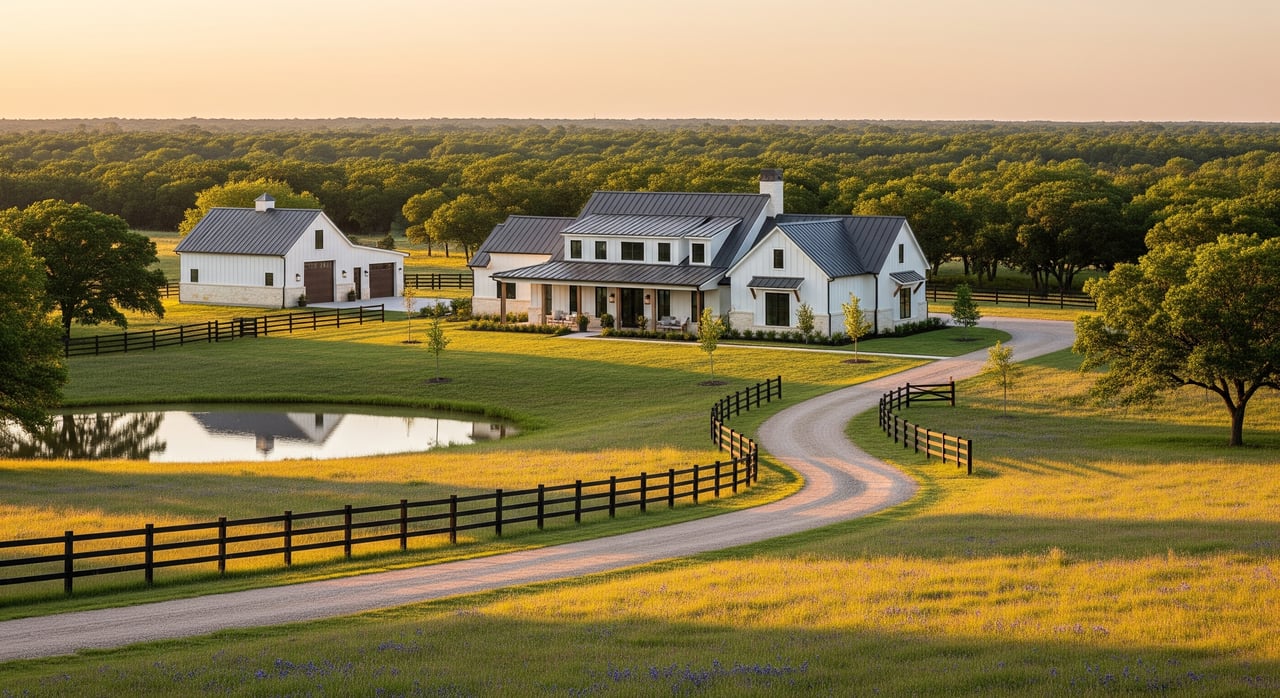
Dreaming of a little elbow room without giving up Houston access? Buying 1 to 20 acres in Waller can deliver privacy, space for animals or a workshop, and a future custom home. The tradeoff is that acreage comes with its own rules, infrastructure needs, and due diligence steps. In this guide, you’ll learn what to verify before you write an offer, how utilities and soils affect costs, what financing fits, and which local resources to call so you can move forward with confidence. Let’s dive in.
Why Waller small acreage works
Waller sits in Houston’s exurban ring, so you can enjoy a rural lifestyle and still reach jobs and services. Many buyers look for build‑ready tracts, good drainage, flexible covenants, and reliable access on public roads. You might be weighing cost versus convenience. Lower upfront prices often mean more work later for well, septic, drainage, driveway, fencing, or utility extensions. Understanding these tradeoffs early helps you match the right property to your goals.
What counts as “small acreage”
Locally, small acreage often means 1 to 10 acres, sometimes up to 20. Needs and costs change as acreage grows. A 2‑acre homesite might already have utilities at the street. A 15‑acre tract may require a longer driveway, new well and septic, and more fencing. Plan your budget and timeline accordingly.
Know the rules before you buy
City vs. county jurisdiction
Start by confirming whether the property is inside the City of Waller limits or in unincorporated Waller County. City parcels follow city codes and permitting. Unincorporated parcels follow county rules. This impacts building permits, on‑site sewage approvals, and future subdivision plans.
Zoning, covenants, and HOA documents
Some small‑acreage tracts are in deed‑restricted subdivisions with rules for minimum home size, barn placement, or exterior standards. Others are more flexible rural tracts. Review any recorded covenants and HOA documents to confirm what is allowed. The Waller County Clerk maintains recorded deeds and restrictions, which you or your title company can search through the official Waller County Clerk.
Easements, access, and rights‑of‑way
Verify legal access via a public road or a recorded easement. A driveway across someone else’s land without a recorded easement can create serious issues. Title review should also surface utility easements, pipelines, drainage easements, or rights‑of‑way that limit where you can build.
Mineral rights and surface use
In Texas, mineral rights are often severed from the surface estate. If a prior owner retained minerals, they may have exploration or surface use rights that affect your plans. Ask your title company and, if needed, a real estate attorney to explain any mineral reservations noted in the title commitment.
Future subdivision potential
If you hope to split the land later, confirm county subdivision rules and any minimum lot sizes or infrastructure requirements. Deed restrictions and conservation easements can also limit subdivision.
Check the dirt, water, and flood risk
Water supply options
- Public water. Not all rural parcels in Waller have a public water line. If public water is nearby, confirm the provider, line size, and tap or impact fees before you make an offer.
- Private well. If no public water is available, you will likely drill a well. Plan for drilling and pump costs, yield testing in gallons per minute, and water quality testing for bacteria and nitrates. Obtain estimates from local well drillers.
Septic and on‑site sewage
Many acreage homes use on‑site sewage systems. Permits, system type, and setbacks vary by jurisdiction. Order a septic inspection for any existing system. If you plan to build, get a soil suitability or percolation test before closing. For regulations and homeowner guidance, review the Texas Commission on Environmental Quality’s On‑Site Sewage Facilities resources.
Soils, drainage, and wetlands
- Soils. Soil type affects both septic design and your home’s foundation. Use the USDA NRCS Web Soil Survey as a screening tool, then consult a soil professional for site‑specific recommendations.
- Floodplain. Check the FEMA Flood Map Service Center to see if any portion of the tract lies in a mapped floodplain. This affects buildable area, insurance costs, and sometimes lender approval.
- Wet spots and drainage. Look for seasonal ponds, low areas, and existing drainage patterns during a site walk. You may need culverts or regrading to manage runoff.
Access, roads, and driveways
Public road access is usually the simplest. If access is via a private road, confirm who maintains it and how costs are shared. Long driveways and culverts can be significant line items, especially on larger tracts.
Utilities, gas, and internet
- Electric. Confirm the electric provider, service availability, and any extension costs to your build site. Three‑phase power may be needed for certain equipment.
- Gas. Many rural tracts do not have natural gas lines. Propane tanks and delivery are common.
- Internet and cellular. Broadband access varies widely. Verify providers and speeds at the specific address. Satellite service is available but has latency that can affect video calls.
Environmental considerations
If the property has a history of industrial or heavy agricultural use, consider an environmental screen. Underground tanks, old pesticide storage, or nearby industrial sites may require further review. Unique habitats or wetlands can limit development. Ask your inspector or engineer if a more detailed assessment is warranted.
Financing, taxes, and ongoing costs
Loan paths for acreage
- Home on land. If a residence is present or you plan to build right away with construction financing, conventional, FHA, or VA loans may work, subject to lender acreage rules.
- Land‑only. Vacant land typically requires a land loan with a higher down payment and rate, or owner financing. Local banks and Farm Credit lenders often have suitable products.
- USDA options. Many addresses in and around Waller qualify for USDA programs. Check eligibility through USDA Rural Development to explore low down payment options for qualifying homes.
- Construction loans. If you will build, your lender will consider site work like utilities and driveway in the appraisal. Use a lender that understands rural systems such as wells and septic.
Property taxes and exemptions
- Annual taxes. Confirm current tax rates and any special district assessments through the Waller County Appraisal District.
- Agricultural valuation. Texas offers an agricultural productivity appraisal, often called an ag‑use exemption, for qualifying grazing, crop, or timber use. It can reduce the taxable value. Be aware of potential rollback taxes if the land leaves ag use.
- Special districts. If the property lies in a municipal utility district, expect additional assessments or fees for water and sewer infrastructure.
Insurance considerations
- Homeowners. Premiums can be higher on acreage due to distance from fire services and wind or hail exposure. Some insurers want to see mitigation steps such as defensible space.
- Flood. If any part of the property is in a mapped floodplain, lenders will require flood insurance. Even outside mapped zones, coverage can be a smart risk tool near creeks or low areas.
- Liability. If you plan to keep horses or host visitors, consider umbrella liability coverage.
Budgeting for site work
Every parcel is different, so treat these as broad, approximate ranges and get local quotes:
- Water well and pump. Can range from the low five figures upward based on depth and geology.
- Septic system. Basic conventional systems can be in the mid four to low five figures. Aerobic systems with maintenance can run higher.
- Driveway and culvert. Costs depend on length, base material, and drainage needs, often in the thousands to tens of thousands for long rural driveways.
- Fencing. Per‑linear‑foot costs vary by material, terrain, and gates.
- Clearing and grading. Highly variable based on brush density and soil conditions.
- Utility extensions. Electric service drops, transformer, and trenching can add up quickly if the build site is set back from the road.
- Survey. Order a current boundary survey with corners set. Topographic surveys cost more but are useful for new construction.
Use these estimates for initial planning only. Ask for written bids from local providers before you finalize your offer price.
Write smarter offers with contingencies
Protect yourself by baking key checks into your offer timeline:
- Title commitment review for mineral reservations, easements, and covenants
- Proof of legal access and any recorded road maintenance agreement
- Current survey and, if building soon, a topographic survey
- FEMA flood map review and any local floodplain data
- Utility availability and tap or extension costs in writing from providers
- Well yield and water quality test, or contingency allowing testing
- Septic inspection for existing systems or a soil percolation test for new systems
- Soil report for foundation and septic suitability
- Environmental screen if history is unknown or risk tolerance is low
- Confirmation of school district and essential services such as fire and EMS
What to ask the seller
- Who provides water to the tract, and what is the status of any taps or meters?
- If there is a well, what is the depth, age, last service date, and recent test results?
- What type of septic system is installed, when was it last inspected, and do you have permits or maintenance records?
- Are there recorded deed restrictions, HOA rules, or road maintenance agreements?
- Are any mineral rights retained by prior owners or leased to third parties?
- What existing easements cross the property, including utilities and pipelines?
- Have there been drainage or flooding issues on the property during heavy rains?
Local resources for verification
- Deeds and restrictions. Search recorded documents with the Waller County Clerk.
- Taxes and exemptions. View legal descriptions, current tax bills, and ag‑use guidance at the Waller County Appraisal District.
- Flood maps. Check the FEMA Flood Map Service Center for floodplain designation.
- Soils. Review soil indicators and limitations using the USDA NRCS Web Soil Survey.
- Septic rules. Get homeowner and permitting guidance from the TCEQ On‑Site Sewage Facilities program.
- USDA mortgage eligibility. Verify address eligibility through USDA Rural Development.
How The Lux Team helps
Buying acreage has more moving parts than a typical suburban purchase. You deserve a steady, detail‑oriented partner who can keep the process calm and on track. Our boutique team brings hands‑on support and local market insight so you can make confident decisions.
Here is how we can help you in Waller:
- Align your goals with the right tract size, restrictions, and access type
- Pull accurate comps and days‑on‑market data to price your offer appropriately
- Coordinate quotes and inspections for wells, septic, surveys, and driveways
- Structure offers with the right contingencies and timelines
- Connect you with lenders who understand land, USDA options, and construction loans
- Provide white‑glove move‑in coordination so your transition feels seamless
If you are ready to walk land, validate the details, and write a strong, protected offer, connect with Devyn Winkler for a White‑Glove Consultation.
FAQs
What counts as small acreage in Waller?
- In local practice, small acreage often means 1 to 10 acres and sometimes up to 20, with costs and logistics changing as acreage increases.
Can I keep horses or livestock on a Waller tract?
- Often yes in unincorporated areas, but always confirm deed restrictions, county ordinances, fencing needs, and reliable water access before you buy.
How do mineral rights affect a Waller land purchase?
- If mineral rights were severed by a prior owner, that party may retain exploration or surface use rights, so review the title commitment carefully.
What financing works for buying or building on acreage?
- Homes with immediate construction plans may qualify for conventional or government‑backed loans, while land‑only purchases typically require land loans or owner financing.
How do I check flood risk on a Waller property?
- Search the address at the FEMA Flood Map Service Center and consider local drainage patterns you observe during site visits.
Do I need a new survey for acreage in Waller?
- Yes, a current boundary survey confirms access, easements, and setbacks; consider a topographic survey if you plan to build soon.